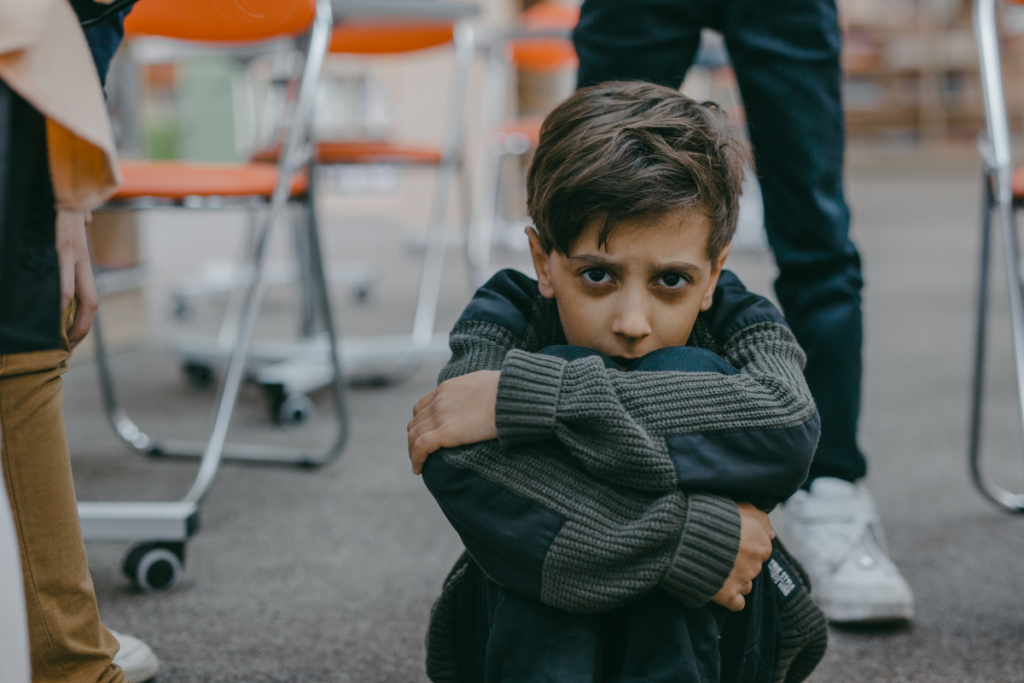
You know your child better than anyone. When something feels off but they seem capable, quiet, or well behaved, that instinct can be hard to shake. Hidden anxiety in children may show up through stomachaches, rigid routines, school struggles, avoidance, or strong emotional reactions instead of the words, “I feel anxious.”
There is no formal diagnosis called a hidden anxiety disorder. “Hidden anxiety” is a descriptive phrase, and the wider pattern matters more than any single behavior. Ask how often it happens, what sets it off, and how long it lasts. Pay close attention if it begins disrupting school, sleep, friendships, play, or family life.
Why Hidden Anxiety in Children Can Be Easy to Miss
Children may feel anxiety before they can recognize or explain it. A child might report a stomachache, snap when plans change, dodge an activity, or insist on knowing every detail without connecting any of those reactions to worry. When these patterns persist, an anxiety and emotional health evaluation can help clarify what is happening.
Some anxious children are especially easy to overlook because they seem cooperative and successful. The American Academy of Child and Adolescent Psychiatry notes that they may be quiet, compliant, and eager to please. Adults see good behavior. The strain underneath stays out of sight.
Pay attention when several changes begin showing up together or a habit that once felt manageable starts narrowing your child’s life. That view can help you respond with curiosity instead of calling the behavior stubborn, dramatic, or overly sensitive.
9 Signs of Hidden Anxiety in Children
Think of these hidden anxiety symptoms in children as nine possible clues, not a diagnostic checklist. Consider your child’s age, temperament, health, recent experiences, and usual behavior, then focus on repetition and impact rather than one rough day.
1. They Ask for Reassurance Again and Again
Your child may keep asking whether they’re safe, whether you are upset, whether they made a mistake, or exactly what will happen tomorrow. You answer, but the relief fades quickly and the same question comes back. It can feel as if they weren’t listening when uncertainty keeps pulling them back for another answer.
Give a calm response, then watch the pattern. Note what prompted the question, how urgent it felt, and how long the reassurance helped. An occasional request for comfort is part of childhood. A growing need for certainty deserves a closer look.
2. Stomachaches, Headaches, or Feeling Sick Keep Appearing
Anxiety can bring real physical discomfort. You might hear about stomach pain before school, nausea at bedtime, a headache ahead of a social event, or frequent bathroom trips as a stressful moment gets closer.
Take those complaints seriously. New, severe, or persistent symptoms should be discussed with a pediatrician or another health care provider so medical causes can be considered. Physical symptoms of anxiety in children should never be assumed to have one cause.
The timing still tells you something. Do symptoms cluster around a certain class, separation, performance, transition, or social plan? A few specific notes will help your child’s providers far more than saying they “feel sick a lot.”
3. Irritability or Anger Seems to Come Out of Nowhere
Fear can sound like snapping or arguing and may end in tears, refusal, or a much bigger reaction than the moment seems to call for. Sometimes a small correction lands after your child has spent hours trying to hold in tension.
Skip labels such as “difficult” or “overreacting.” Describe what you saw and ask what felt hard. Then notice what happened beforehand, how intense the reaction became, and how long recovery took. Repeated blowups around mistakes, uncertainty, performance, or transitions can reveal a pattern that is easy to miss while everyone is upset.
4. They Quietly Avoid School, Activities, or Friends
Avoidance can be loud, but often it slips by. Your child may take forever to get ready, ask to stay home, stop mentioning an activity they used to enjoy, sit on the sidelines, or need you nearby before joining in.
Stepping away may bring quick relief, but repeated avoidance can make the next attempt feel harder when your child misses the activity or wants to join in. What first looks like lost interest may be an effort to escape discomfort. Watch for avoidance that spreads across settings or starts limiting school, friendships, play, and independence expected for their age.
5. Perfectionism Makes Ordinary Tasks Feel High Stakes
A child who wants to do well might erase the same answer six times, restart an assignment, freeze when unsure, refuse something new, or fall apart over a small mistake. Diligence and fear can look remarkably similar from the outside. Anxiety in children who achieve at a high level can stay hidden while they carry distress that adults do not see.
The cost tells you more than the grade. Is homework taking hours? Are mistakes ruining the evening, cutting into sleep, or keeping your child from trying?
Praise effort, flexibility, and recovery. Notice when perfectionism blocks learning or participation. A polished result may hide how much distress it took to get there. Some people call this high functioning anxiety in children, although that phrase is not a clinical diagnosis.
6. Sleep Becomes Difficult Even When They Are Tired
Bedtime leaves room for worries that stayed quiet all day. Your child may stall, ask you to check in repeatedly, want to sleep near you, describe racing thoughts, have nightmares, or wake up with fresh concerns.
Poor sleep can muddy the picture the next day. Fatigue may lead to irritability, slower thinking, or trouble concentrating, so the original concern starts to resemble a behavior or attention problem. Sleep changes have many causes. Track whether they rise around school nights, tests, separations, social events, or family stress, and share persistent concerns with your child’s health care provider.
7. They Need Routines, Preparation, or Control to Feel Safe
Preparation helps most children feel ready. Trouble starts when the need for certainty becomes rigid. Your child may repeat planning questions, overpack, check things again and again, struggle in unfamiliar places, or become highly distressed when plans shift.
Control can feel protective. When your child tries to manage every detail, ask what they think could happen and which part feels hardest, then acknowledge the fear without promising a perfectly comfortable or predictable outcome. For rigid routines in anxious children, simple and flexible routines can provide support without demanding perfect certainty.
Rigidity can appear with autism, obsessive compulsive disorder, and other concerns. Similar behavior may come from different causes, so a checklist cannot sort that out.
8. Focus or Grades Slip as They Work Hard
Worry can crowd out attention. A child may reread directions, check work repeatedly, blank during a test, spend hours on homework, or seem distracted only in situations that feel threatening.
Anxiety can overlap with attention deficit hyperactivity disorder, learning differences, poor sleep, mood concerns, and stress. If focus problems appear across settings, an ADHD evaluation may help clarify whether attention is the main concern or one part of a broader picture. Bring concrete examples from easy days, hard days, preferred tasks, and demanding ones. Those details tell a professional more than a report card alone.
9. They Hold It Together in Public and Unravel at Home
Some children look calm, social, or successful at school, then melt down, withdraw, cry, or collapse on the couch once they’re home. That contrast can leave parents wondering which version is real. Both are.
Anxiety masking in children can make the contrast between school and home especially important to document. Your child may be spending enormous effort to meet expectations in public, then letting that strain go somewhere safe. A good school report and what you see at home are both useful pieces of the picture. Compare notes with teachers and caregivers about transitions, social demands, mistakes, support, and how much recovery time your child needs.
How to Tell Typical Worry From a Pattern That Needs Attention
Fear and worry belong to childhood. A brief fear tied to a clear event may fade after the event passes. A pattern deserves more attention when it persists, grows more intense, spreads into new situations, causes distress, or requires the whole family to keep rearranging life around it.
The Anxiety and Depression Association of America advises parents to consider professional support when a child’s worries or behavior last for weeks, cause distress, or interfere with school, friendships, family life, or everyday activities. Frequency matters, but daily functioning often tells you more.
Knowing when to seek help for child anxiety depends on safety and daily functioning, not a symptom count. Get immediate help if your child’s behavior becomes unsafe or they talk about hurting themselves or someone else. In the United States, call or text 988 for crisis support. Call 911 in an emergency that threatens life.
What Parents Can Do When These Signs Keep Showing Up
- Start with two to four weeks of brief notes. Record what happened beforehand, what your child said or did, any physical symptoms, what support you offered, and how long it took them to recover. Stick to observations.
- Ask calm, specific questions such as “What felt hardest about that?” or “What were you worried might happen?” Those prompts are often easier to answer than “Why are you anxious?” Listen without forcing a label or repeatedly promising that nothing bad will happen.
- Compare your notes with what teachers, caregivers, and your child’s pediatrician see. Bring examples instead of trying to diagnose the pattern yourself. Similar patterns across settings matter, and so do sharp differences between school and home.
When a Psychological Evaluation Can Bring Clarity
A hidden anxiety test or online symptom list cannot diagnose a child. It can only point to questions worth discussing with a qualified professional.
Consider an evaluation when worry, avoidance, physical complaints, sleep changes, or emotional reactions keep interfering with daily life. A psychologist can look at development, health, environment, and overlapping concerns to understand what may be driving the pattern and which next steps fit.
At Core Spring Diagnostics, an anxiety and emotional health evaluation may include a clinical interview, behavioral observations, standardized anxiety and mood measures, a review of history and current concerns, a written report, and a feedback session with recommendations. When attention, learning, mood, trauma, autism, or obsessive compulsive patterns are part of the picture, a comprehensive neuropsychological evaluation can examine those concerns together.
One psychologist guides your family from intake through feedback, which saves you from retelling the story at every handoff. You can begin without a referral. You leave with reliable answers and a practical plan for what comes next.
Frequently Asked Questions
These answers can help you understand why anxiety is sometimes difficult for children and parents to recognize.
Can a Child Have Anxiety Without Knowing It?
Yes. A child may feel physical discomfort, irritability, restlessness, sleep trouble, or a strong urge to avoid something without recognizing the experience as anxiety. Age, language, temperament, and worry about upsetting a parent can all shape what they say.
A child may also have sudden physical fear symptoms that a parent might call a hidden anxiety attack. That informal phrase does not identify a diagnosis, so context and professional judgment still matter.
Observation can uncover a pattern. A qualified professional can then consider the child’s development, health, environment, and other possible explanations.
What Does Silent Anxiety Look Like in Children?
“Silent anxiety” is an informal phrase for worry that isn’t openly expressed or easily noticed. It may show up as repeated reassurance, perfectionism, physical complaints, avoidance, sleep trouble, or holding emotions in until the child gets home.
Distress, persistence, and disruption to daily life matter far more than quietness or introversion by themselves.
Find Clarity About Hidden Anxiety in Your Child
Noticing a pattern gives you a reason to ask questions without proving that something is wrong. Your observations can turn a vague concern into a useful conversation with your child’s pediatrician, school, or psychologist.
No online count is definitive. Whether a checklist names eight hidden symptoms of anxiety or nine, the count matters less than persistence, distress, and impact on daily life.
If the pattern continues and you still don’t know what is driving it, contact Core Spring Diagnostics to request a consultation. An evaluation can help you move from uncertainty toward reliable answers and a clearer plan.
References
American Academy of Child and Adolescent Psychiatry. “Anxiety and Children.” Facts for Families, no. 47, AACAP.
Anxiety and Depression Association of America. “Children’s Mental Health Resources.” ADAA.